
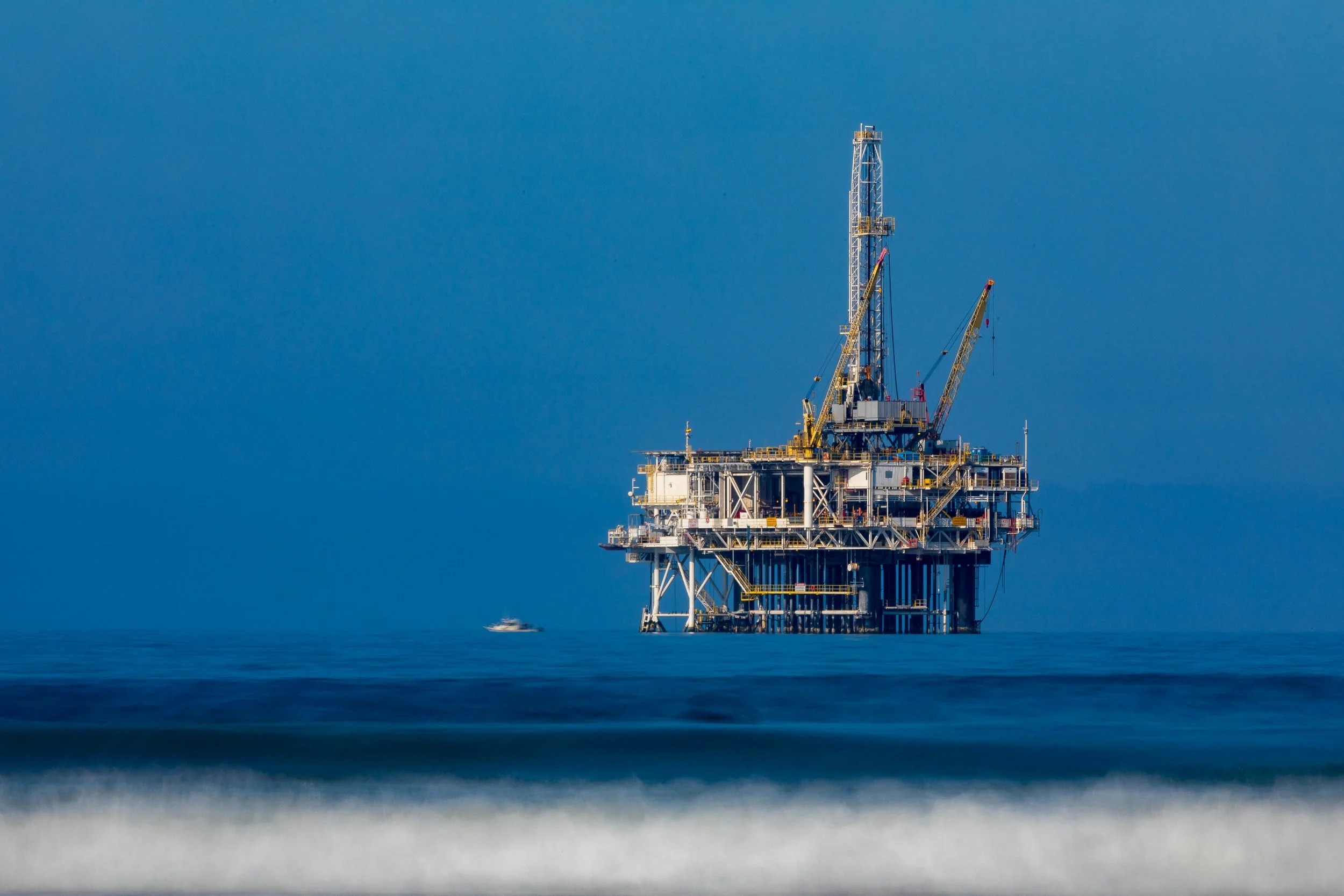
Power quality and energy recovery for the drilling industry
Teraloop flywheel storage absorbs and delivers large power swings in under 10 milliseconds, so vessels and platforms can run fewer engines, cut fuel, and lower emissions without touching the way they operate.
SMARTER USE OF ONBOARD POWER
Teraloop optimizes the engines, so they ramp up only after minutes, and only when needed.
On a vessel or platform, large diesel generators and gas turbines supply the electricity. When heavy equipment kicks in, thrusters holding position, a crane lifting, drawworks hoisting, the demand spikes in an instant. Engines cannot follow a spike that fast. Their ramp-up rate is measured in megawatts per minute, so an extra generator is kept running continuously, burning fuel and producing emissions, just to hold enough headroom for a peak that lasts moments.
Teraloop changes the equation. Our flywheel sits on the same bus and delivers power at a ramp-up rate measured in megawatts per millisecond, covering the spike the moment it appears. That is what makes it ideal for peak shaving. The engines no longer have to chase the peaks, so they can run smoothly at base load, the standby generator can be switched off, and the fuel and emissions that came with it are gone.
WHAT IT DELIVERS ONBOARD
Four changes on the same power bus
Fewer engines running
Cover peaks from stored energy so a standby generator can stay off.
Smoother load
Flatten short spikes so the remaining generators run in their efficient range.
Recovered energy
Capture braking and regenerative energy from cranes and drawworks and put it back to work.
Lower emissions
Less fuel burned means lower CO2 and NOx, and fewer penalties.
HOW IT CONNECTS
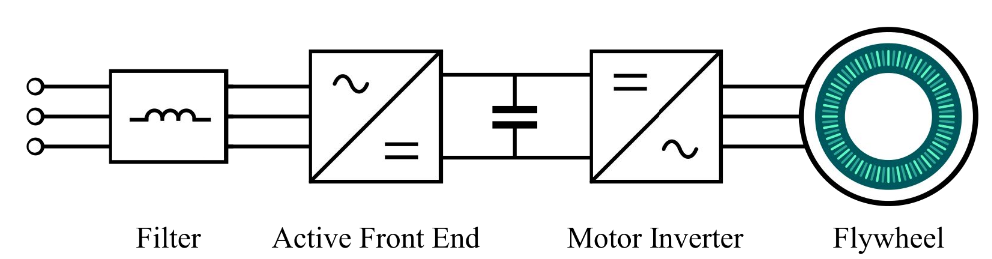
One connection to your existing power bus
Teraloop uses a bi-directional inverter with harmonic filtering for a direct AC or DC connection to the vessel or platform power system. The active front end can run grid forming or grid following, giving a true 10 millisecond in-and-out response with no delay. The system only draws power when it is needed, which keeps running cost low. There is nothing to change in how the crew operates the vessel.
PROOF IN NUMBERS
What it saves in the field
Independent calculations from real offshore duty cycles. Assumptions: diesel 0.43 EUR/L, CO2 3.23 kg/L, NOx 4.2 g/L. Installation not included.
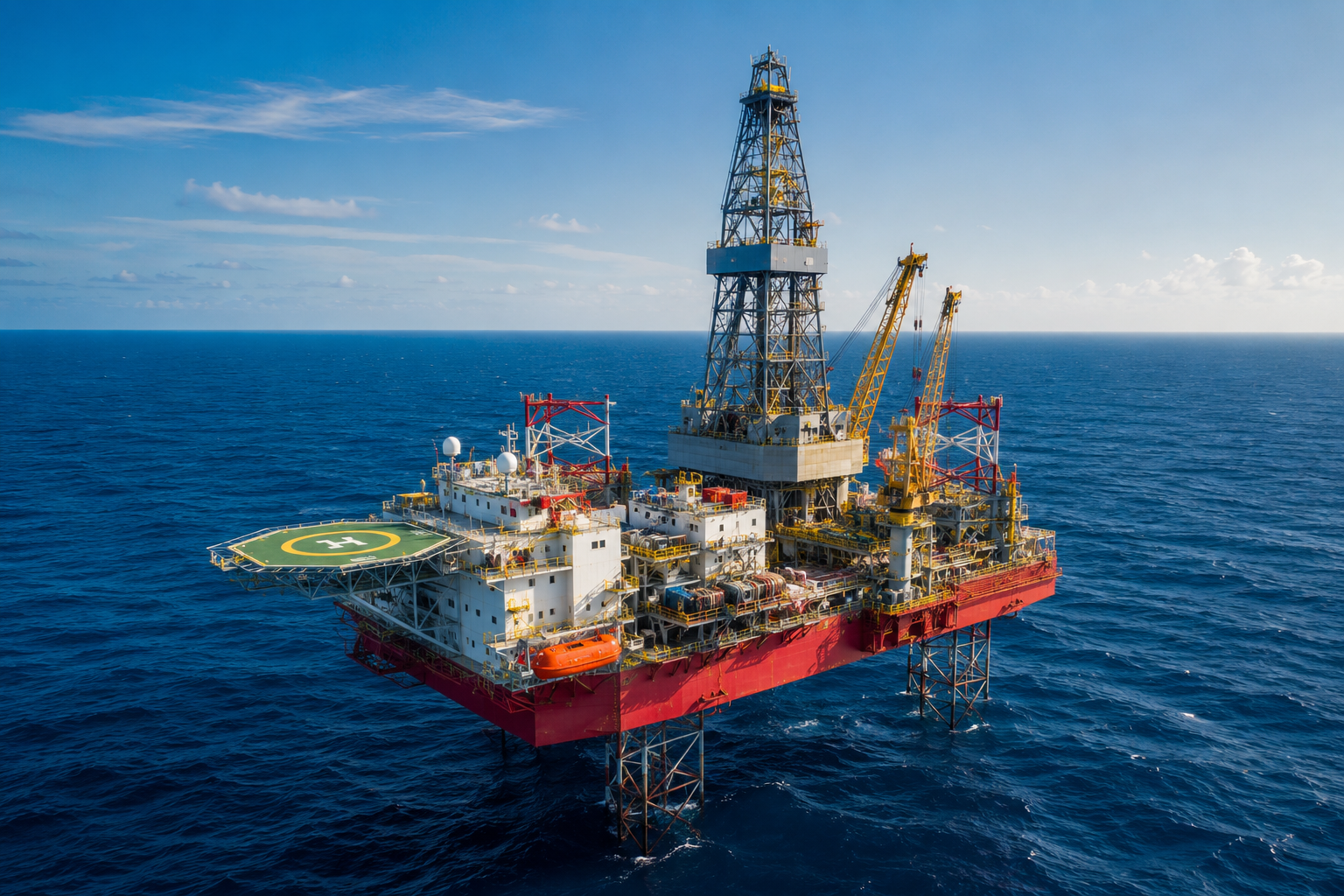
JACK-UP RIGS
Peak shaving on drilling loads
The drawworks, hoisting system and auxiliary pumps create sharp, repeated load spikes. Teraloop shaves those peaks so the diesel generators see a steadier load, which means fewer generators running and each one working at its efficient point.
2,347 t
CO2 reduction per year
550,000 €
Total saving / year
~1.6 yrs
Payback time
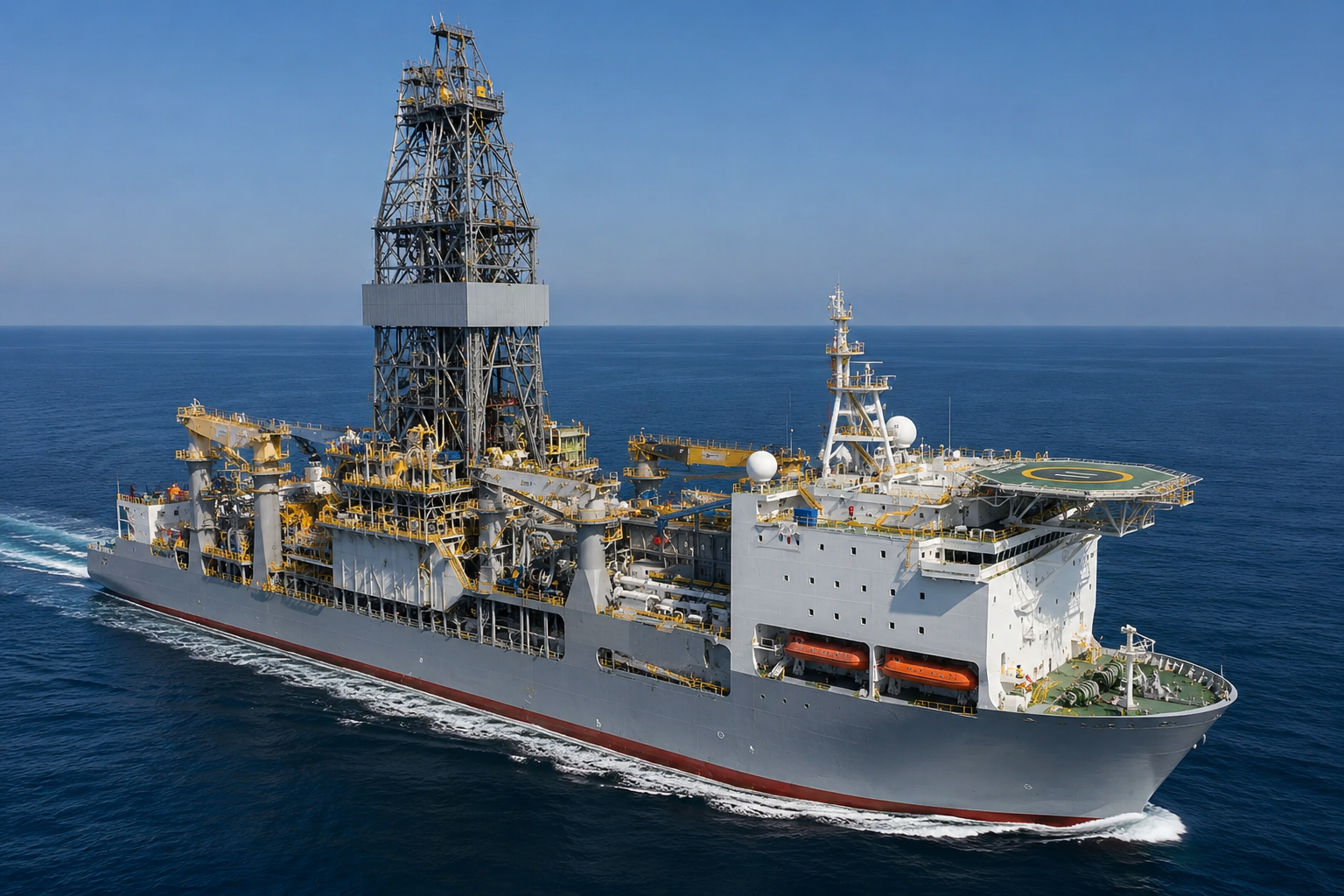
DRILLSHIP
Load balancing across the power plant
A drillship rides constant short-term load swings. Teraloop smooths those fluctuations so the generators stay closer to their optimal load band, which cuts fuel use and lets fewer generators cover the same work.
2,190 t
CO2 reduction per year
513,000 €
Total saving / year
~1.75 yrs
Payback time
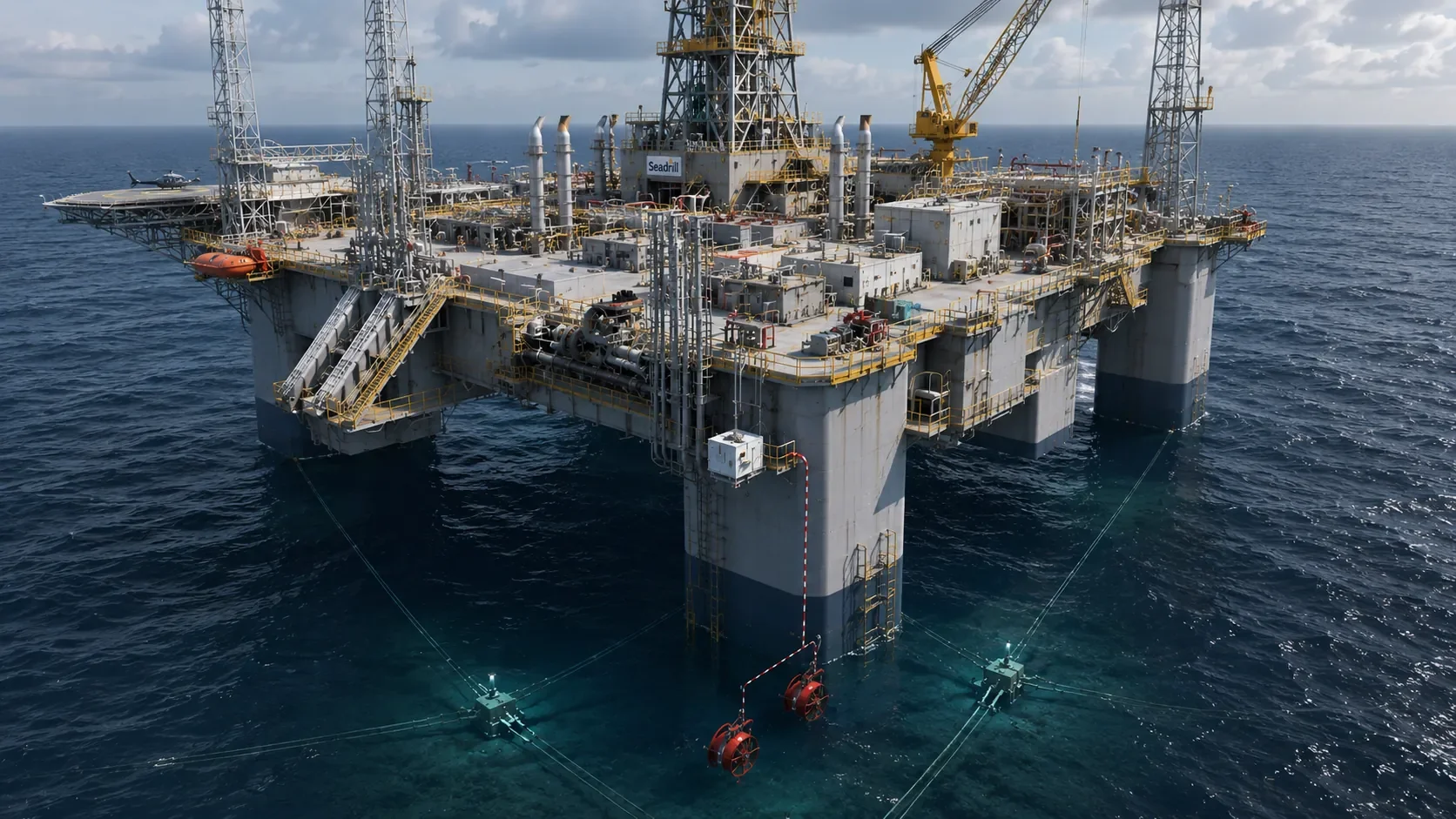
SEMI-SUB RIG
Buffer for dynamic-positioning thrusters
A rig holds position with dynamic-positioning thrusters, and every correction is a sudden power spike that strains the generators. Teraloop releases stored energy the instant a thruster ramps, so the generators run steadier, burn less fuel and need less maintenance.
13,560 t
CO2 reduction per year
17,600 kg
NOx savings per year
~2.7M €
Total saving per year
Why a flywheel here
Faster than the failure
Sub-10 millisecond response covers thruster and drawworks spikes before a voltage sag can trip pumps, motors, or the generators protecting them.
Safe for offshore and EX areas
No flammable electrolyte and no thermal runaway path. The flywheel adds no fire load and does not break the hazardous-area classification of a rig or vessel.
Built for life at sea
Sealed and maintenance-light, with no capacity fade from constant cycling. Designed for a long operating life in salt, vibration and temperature swings, with no battery replacement cycle.
Steady through pitch and roll
Designed for the harsh marine environment. Magnetic levitation keeps the rotor running safely as the vessel moves, rated for pitch and roll angles up to 22.5 degrees to meet marine classification requirements.
Let's size it for your vessel.
Tell us your duty cycle and we will show you the fuel, the emissions, and the payback for your platform or fleet.