
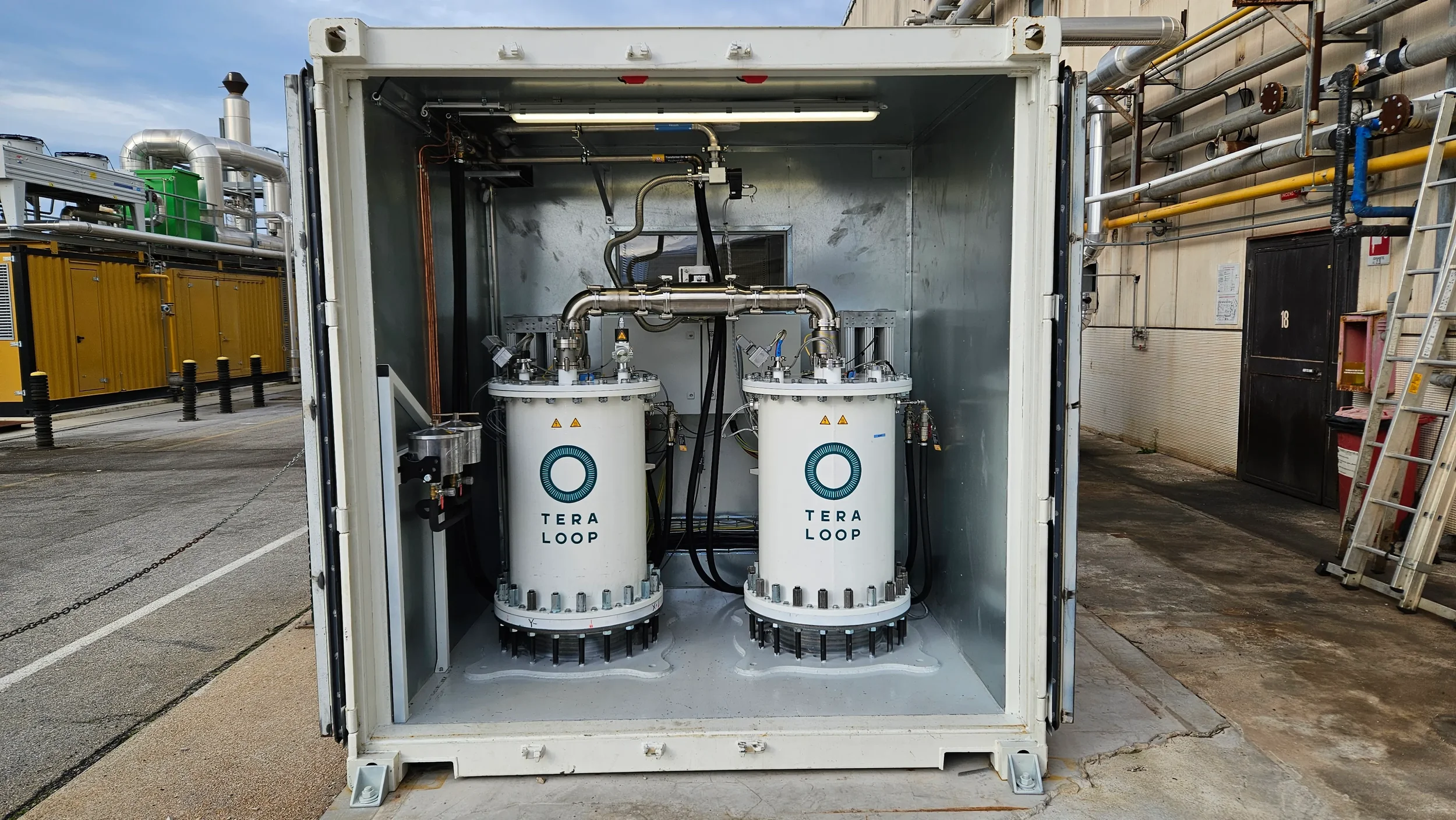
Where flywheel storage is doing the work
Different industries, same problem. Anywhere fast power, high-cycle duty, or grid-quality demands show up, flywheel energy storage fits. From grid frequency stabilization and industrial peak shaving to marine, oil and gas, and hybrid installations with batteries.
-

Oil & gas onshore drilling
A voltage drop stops a pump. A membrane sticks. The damage is immediate and physical. Batteries and super-capacitors aren't allowed near a drilling rig. Fire brigades won't permit chemistry in an EX zone. Diesel generators can't react fast enough to catch the drop.
A flywheel sits in line and supports the voltage in under 10 milliseconds. Its footprint is small enough to drop onto a platform deck or into a remote container, indoor or outdoor, in dust or in heat. No chemistry. No fire risk. No replacement cycle.
-
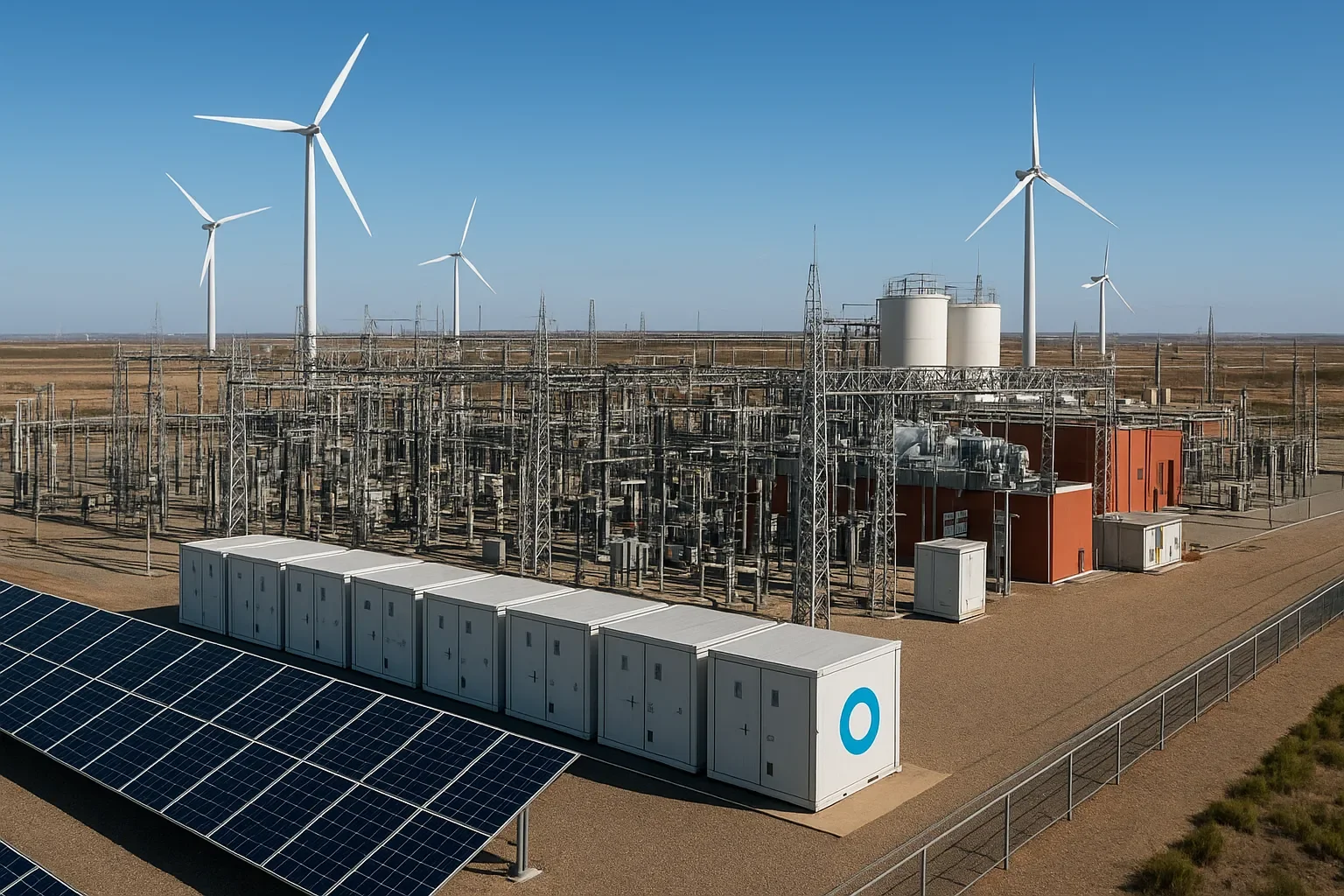
Grid, microgrid and island frequency stabilization
Power grids run at a fixed frequency (50 Hz in Europe). When supply and demand fall out of balance, the frequency dips or spikes, and the grid has seconds to correct it before things start tripping offline. Renewables make this harder: solar and wind drive sharper, faster swings than the grid was built for.
A flywheel sits on the grid spinning. Within 10 milliseconds of a dip or spike, it pushes power in or pulls it out — without the cycle damage a battery would take from doing this thousands of times a day.
-
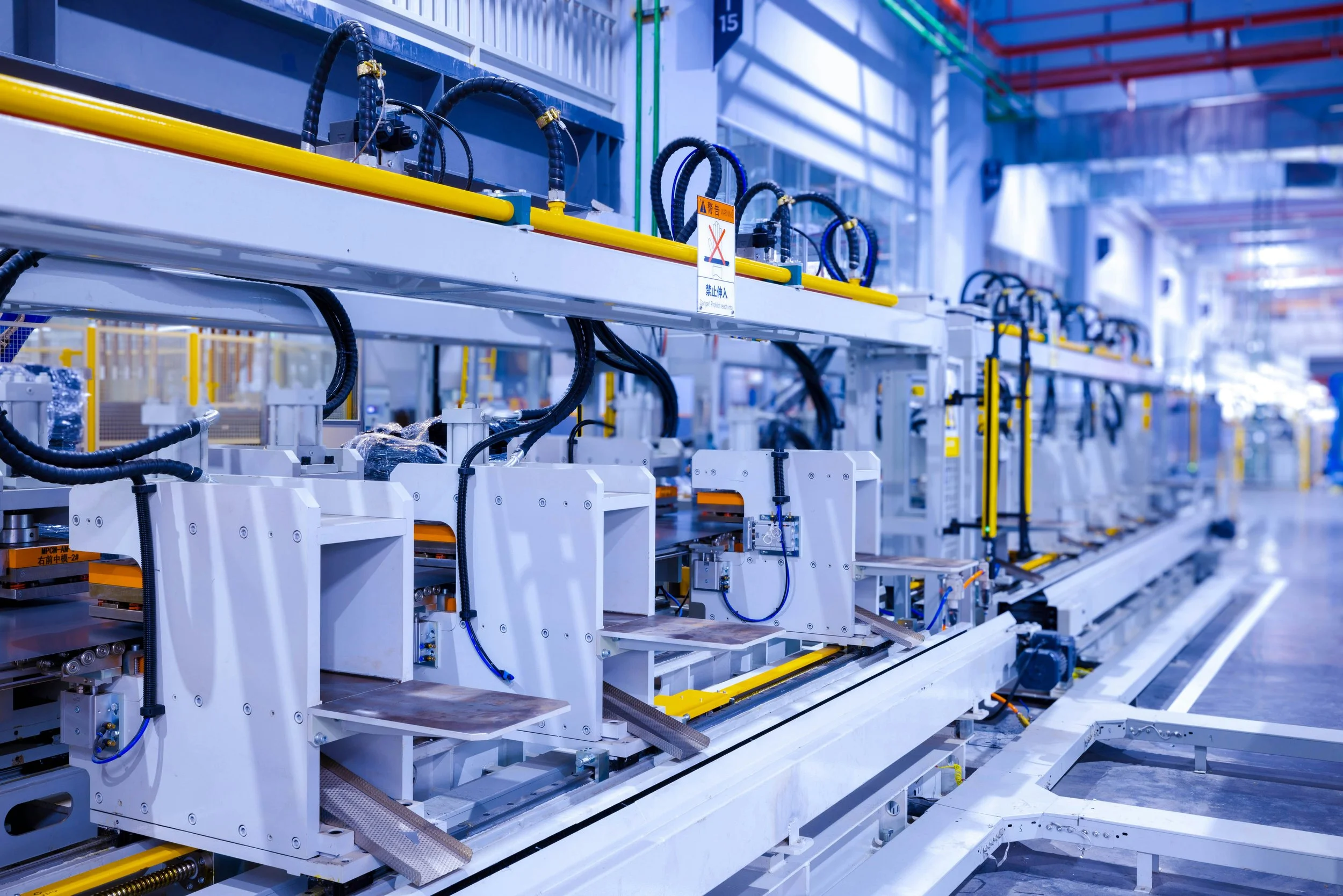
Industrial voltage drop and peak shaving
Industrial sites with large motors, pumps, presses, and compressors need brief moments of very high power. Those peaks set the demand charge the site pays every month and accelerate wear on every machine they spike through.
A flywheel sits between the grid and the load. When the peak comes, the flywheel delivers it. The grid sees a smoothed load profile. The monthly demand charge drops, and the equipment lives longer.
-

Marine vessels
Thrusters bite into swells. Cranes lift off the deck. Generators see the spike, so an extra engine runs all voyage just to catch it, burning fuel every hour. A flywheel absorbs those peaks and lets the engines run steady at their efficient point. No chemistry on board, no thermal runaway at sea, no replacement cycle inside a 25-year vessel life.
-

Hydropower dynamic regulation
Hydro plants are increasingly asked to balance the grid against rapid renewable swings, a duty that wears turbines, gates, and bearings far harder than they were designed for. A flywheel absorbs the millisecond-scale movements and lets the hydropower unit run inside its sweet spot. The mechanical equipment lives longer, and the plant gets credit for faster frequency response.
-
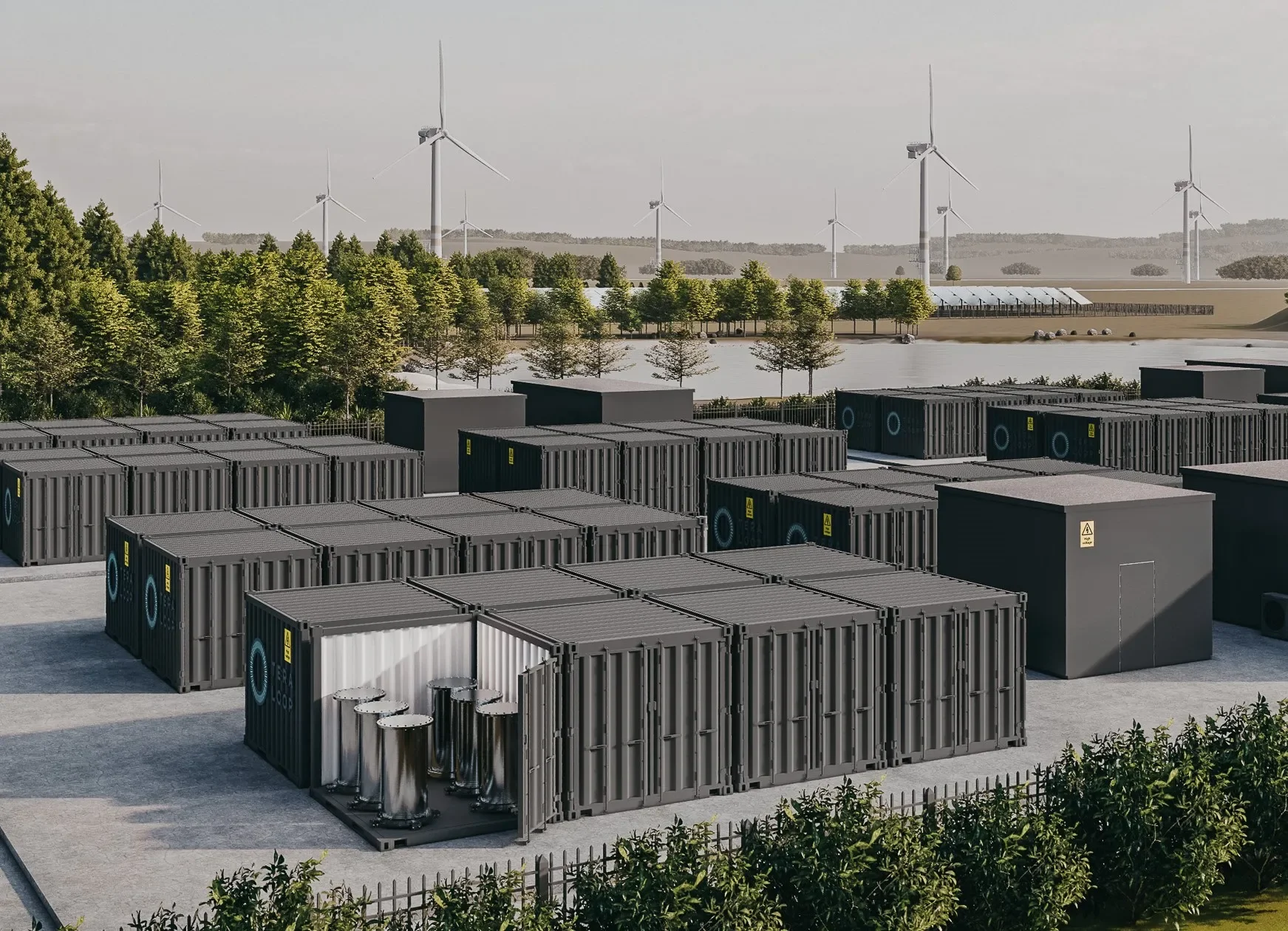
Hybrid flywheel and battery energy storage
Batteries are excellent for energy. They are poor at the fast, high-cycle work that wears every cell. Pair a flywheel with a BESS and the flywheel takes the millisecond duty while the battery handles the longer runs. The battery lives years longer, total system uptime goes up, and the project ROI improves.
-

Renewable generation, solar and wind
Solar and wind ramp up and down faster than the grid can absorb cleanly, and grid codes now require renewable plants to actively support stability. A flywheel smooths the output at the source and delivers fast frequency response and synthetic inertia. The plant meets the codes without sending every cycle through a battery.
-

Rail & transit
Trains brake constantly, releasing energy that most networks waste as heat. A wayside flywheel captures it and returns it to the line for the next acceleration. The substation sees a flatter demand profile, and the operator pays for less of the energy the train just produced.
-

Data centers and critical compute
Critical compute cannot tolerate the sags and short interruptions a grid throws off every day. A flywheel absorbs them before they reach the racks, and holds the load through the seconds it takes diesel generators to start and synchronize. No flammable chemistry in the same hall as your compute, and a footprint small enough to slot in alongside existing power infrastructure.
Proof in the field
FOOD AND BEVERAGE · AZORES
A factory eliminated production interruptions caused by voltage drops.
A dairy producer on Terceira in the Portuguese Azores, was losing dozens of batches a year to short voltage dips on the island's weak grid. A 100 kW Teraloop flywheel installed in April 2024 now catches those dips in 15 milliseconds, before production ever stops.
MANUFACTURING · POWER QUALITY
A plastic injection moulding plant stopped paying for the peaks it created itself.
A plastic injection moulding plant runs dozens of presses on different cycle times, creating load swings of hundreds of kilowatts in milliseconds. A containerised PowerLoop system (two PowerLoop 250 units, 500 kW combined) installed in December 2023 smooths those swings before they reach the meter, delivering more than €80,000 a year in direct savings.